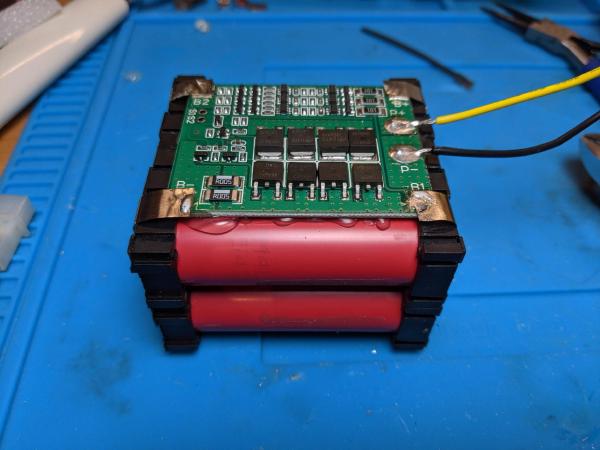
When working on electronics projects, there will undoubtedly come a time when you want to take your project mobile. Choosing the right battery for your project is another whole can of worms by itself, as there are many variables to consider. How high does the voltage need to be? How many amps will be pulled at once? Are there weight or size restrictions? How many W/cm³ do I need? A good bang-for-your-buck are 18650 cell based Li-Ion battery packs. The best part? You can make them yourself! You can even use scavenged cells in your DIY lithium-ion battery pack to save even more money!
What are the health risks of 3D printing? # Appropriately dealing with health hazards is (hopefully) nothing new in our workshops and maker spaces, and just with any other tool it is important to analyse and mitigate the health risks, to ensure 3D printing safety. This article concerns common safety hazards of fused filament fabrication printers. Mechanical Hazards # All parts of the 3D printer that move pose the threat of injury. Examples include: flywheels, pulleys, belts, couplings, chains, cranks, gears, etc. The feed mechanisms and auxiliary parts of the 3D printer should also be considered.
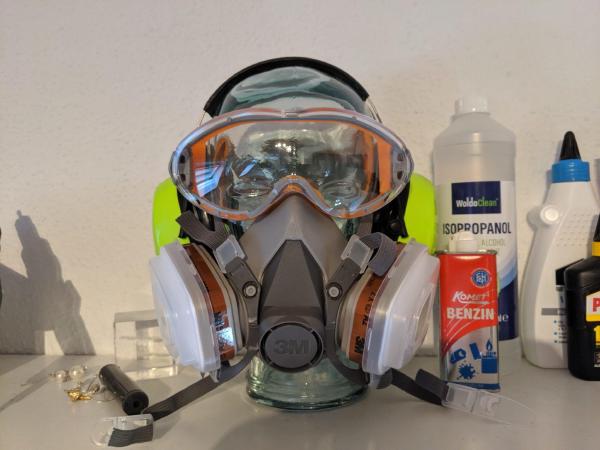
3D printers can create harmful fumes # FFF 3D printers are a major source of VOCs and ultrafine particles, both of which can be harmful to your health. While this can vary drastically on the filament type, it is still advised to reduce your exposure to 3D printer fumes. There’s a continued research effort in comparing 3D printing filament emissions with each other. The number of studies regarding 3D printer emissions is still relatively small, and has until very recently only considered basic filament types such as PLA and ABS1. PLA is fairly benign, as it mostly consists of mostly harmless components. Acrylonitrile butadiene styrene (ABS), as the name suggests, emits large amounts of styrene when heated. Hardly any studies have compared these filament types with the more modern alternatives on the market. I was especially interested in the performance of PETG, and I’ve found this study that has a closer look.
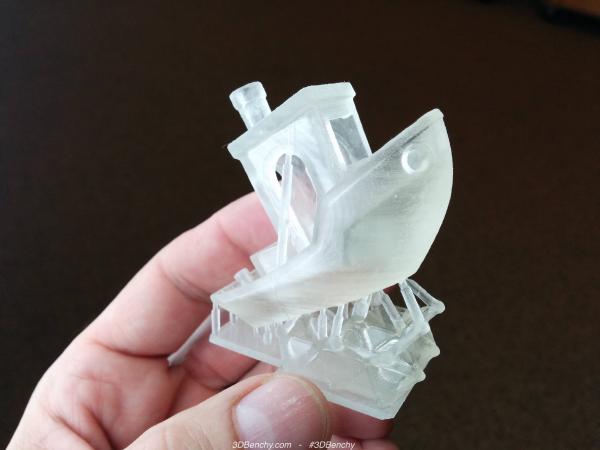
The market for 3D printer resin is, perhaps unsurprisingly, far smaller than the one for 3D printer filament. However, there are still several manufacturers that offer 3D printer resin made in the EU.
With Anycubic’s release of their new series of Photon Mono resin printers, I started looking for 3D printer resin to buy in preparation. For similar reasons as I had stated in my 3D printer filament article, I wanted to buy resin that was made within the EU. And again, despite being made in the EU and under EU law, there are a bunch of resins available that aren’t too expensive either.
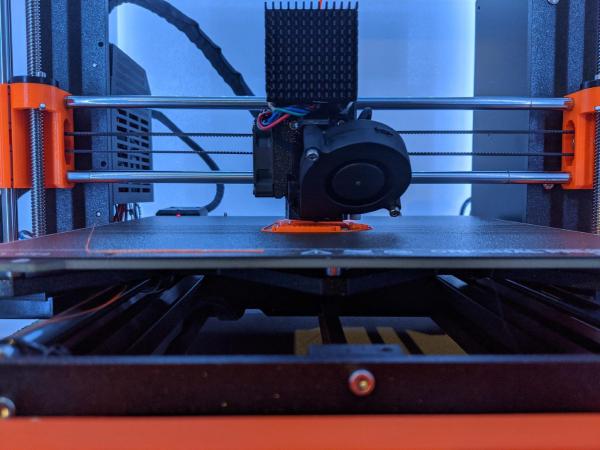
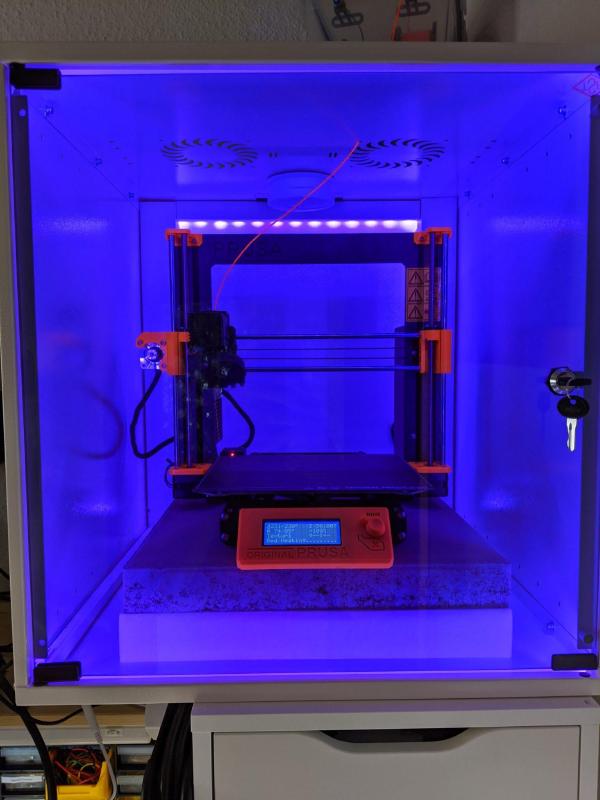
The Enclosure # A 3D printer enclosure perfect for a Prusa i3 MK3S, made of powder coated sheet-metal and has a safety glass door. Even before I received my 3D printer, I was looking for an appropriate enclosure. I did that for two reasons: One being that filaments apart from PLA tend to warp outside the stable temperature environment an enclosure provides, and two being that I wanted to reduce the toxic emissions and noise of the printer.
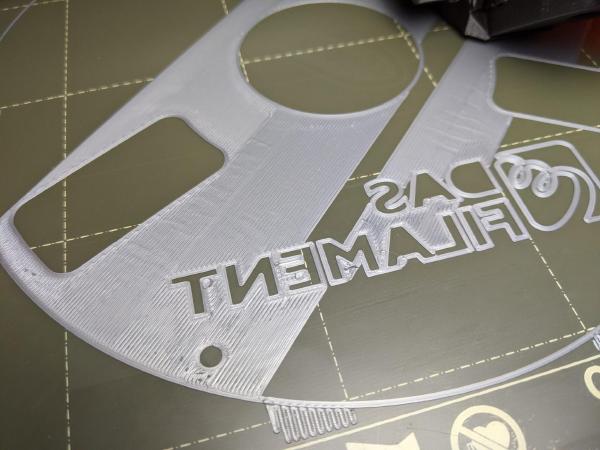
Sourcing “ethical” 3D printer filament # *There’s an abundance of 3D printer filament manufacturers on the market. While there is a plethora of reviews and tests regarding their quality and price, far too often the circumstances under which they are made is disregarded. I was looking for filament made in countries that have acceptable human right standards and labour laws. That’s why here’s a list of 3D Printer Filament Made in the EU.* While globalization certainly has its upsides, I’ve come to try to source things I purchase from Germany (or any other country within the EU) whenever I can. This is also the case for 3D printer filament. Naturally, I looked around.